

The 7-Inch Rule: The Battery Fuse Finding I See on Almost Every Survey
If there's one electrical deficiency I find consistently during marine surveys — on boats old and new, big and small — it's this: an unprotected positive wire running from the battery terminal without a dedicated fuse or overcurrent protection device (OCP) within seven inches.
It sounds like a small detail. It isn't.
What the standard says
Under ABYC E-11, the requirement is for a battery bank fuse to be within 7 wire inches of the battery bank. That measurement is taken along the conductor itself — not in a straight line through the air.
The reasoning is straightforward: that stretch of unprotected wire between your battery's positive terminal and its first fuse is the most dangerous segment in your entire DC system. If a short circuit occurs anywhere in that run — say, the wire chafes against a metal edge or a bilge flood soaks a connection — there's nothing to interrupt potentially thousands of amps of current. The result can be catastrophic: melted wiring, fire, and on a boat, that's a scenario with very few good outcomes.
The exceptions (and why they still matter)
If you can't get within 7 inches, the next best thing is to be as close as possible, but the wire should be in a protective conduit or flexible loom. The 40-inch or 72-inch exceptions apply only when the conductor is contained throughout its entire length in a sheath or enclosure, such as a conduit, junction box, or enclosed panel.
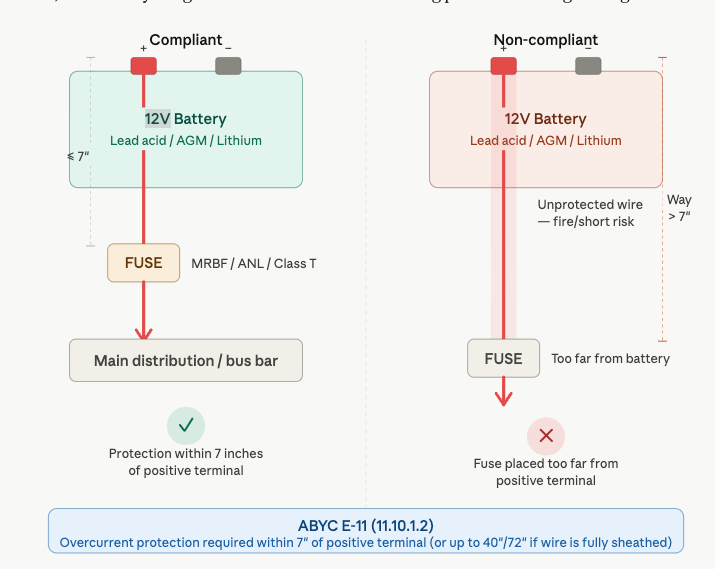
Worth noting: cranking-motor circuits are not required to have overcurrent protection under ABYC E-1 — an exception inherited from the automotive world. But on a boat, unlike a car, you can't just pull over if things go wrong. Many marine electricians and surveyors, myself included, recommend fusing all battery banks regardless of that exception.
What I recommend to buyers
The fix is often straightforward and inexpensive. Blue Sea MRBF (Marine-Rated Battery Fuse) terminal fuses are an excellent solution—they mount directly to the battery post and provide protection right at the source. For larger engines requiring higher amperage, Class T or ANL fuses in a holder near the battery are the standard approach.
When I note this on a survey report, I'm not being over-exacting. I'm flagging a real fire risk—one that's easy to address before you're out on the water.
The bottom line
Before you close on any boat, make sure someone who knows ABYC E-11 has looked at the battery installation. This seven-inch rule is one of the first things I check, and one of the most commonly missed.
— BeforeTheBroker: SURVEY INTELLIGENCE
Resources: click the image for the link.
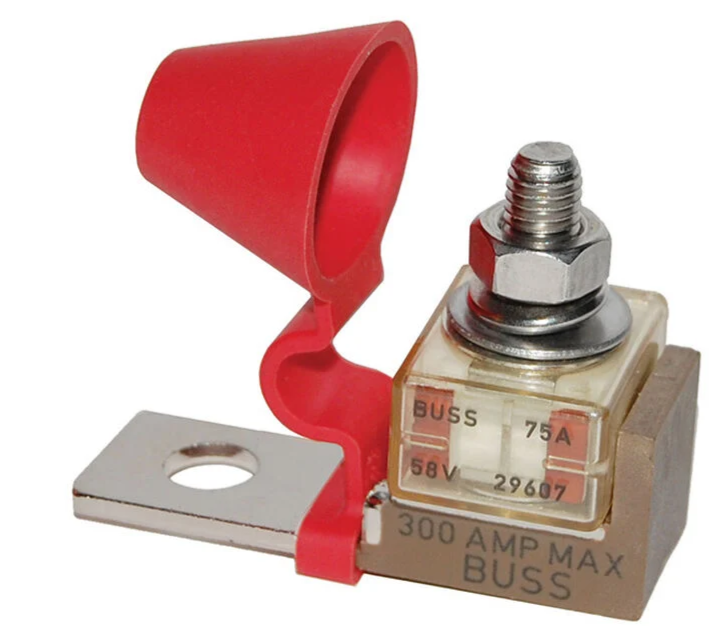
Blue Sea Systems, MRBF 1 Terminal Stud Fuse Block
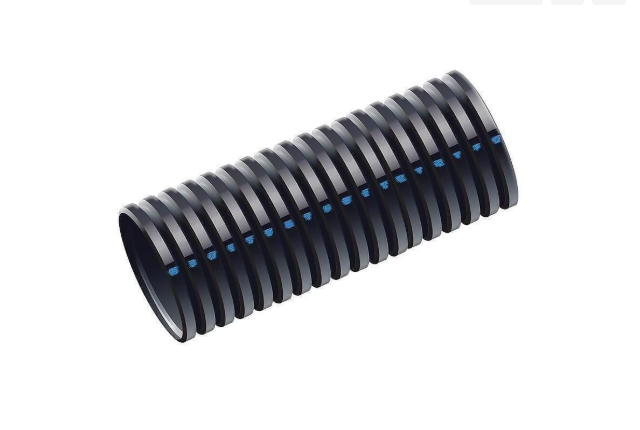
Seachoice Flame-Retardant Split Loom
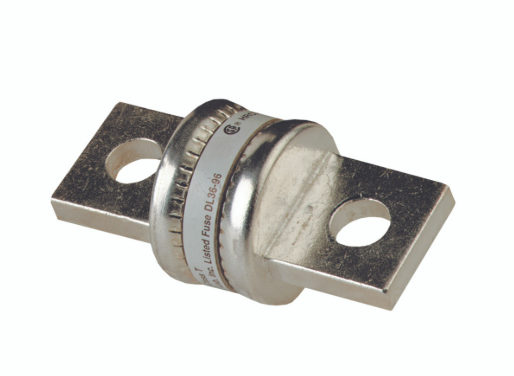
Blue Sea Systems, Class T Fuse
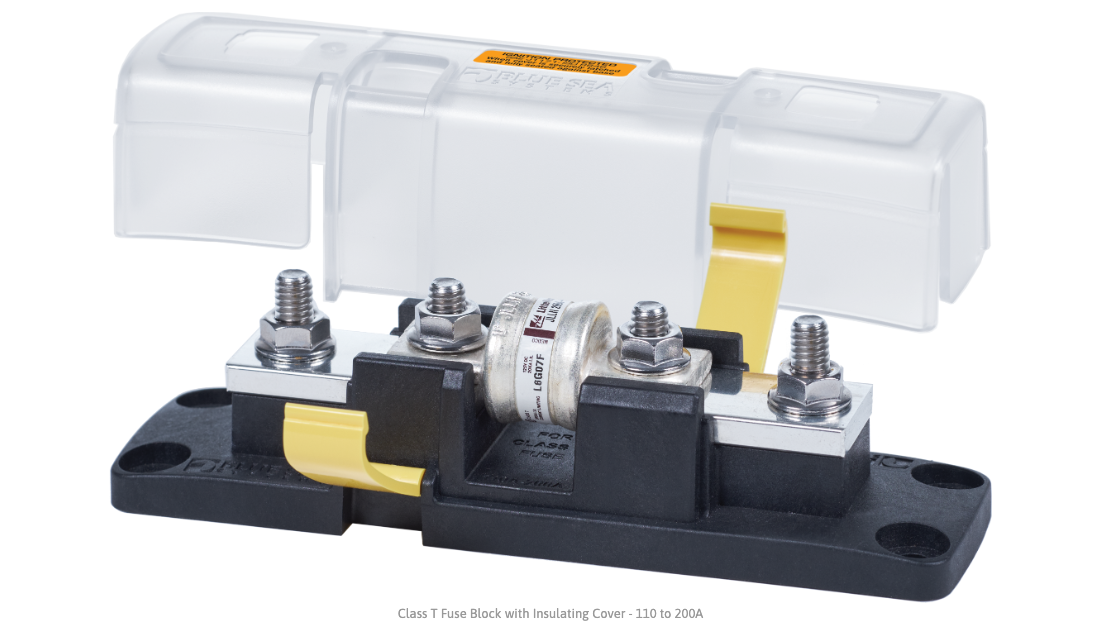
Blue Sea Systems, Class T Fuse Box With Insulated Cover