

Before the Broker: Insights is where I share real-world marine survey insights and practical advice for boat owners and buyers. From buyer watchouts and essential boat maintenance tips to understanding ownership costs and the common issues I encounter in the field, this section is designed to help you make smarter decisions. Whether you’re considering buying a boat, preparing one for sale, or just looking to better understand your vessel, these posts provide actionable guidance to protect your investment and avoid surprises. Learn from real experiences — and get the knowledge you need to enjoy boat ownership with confidence.
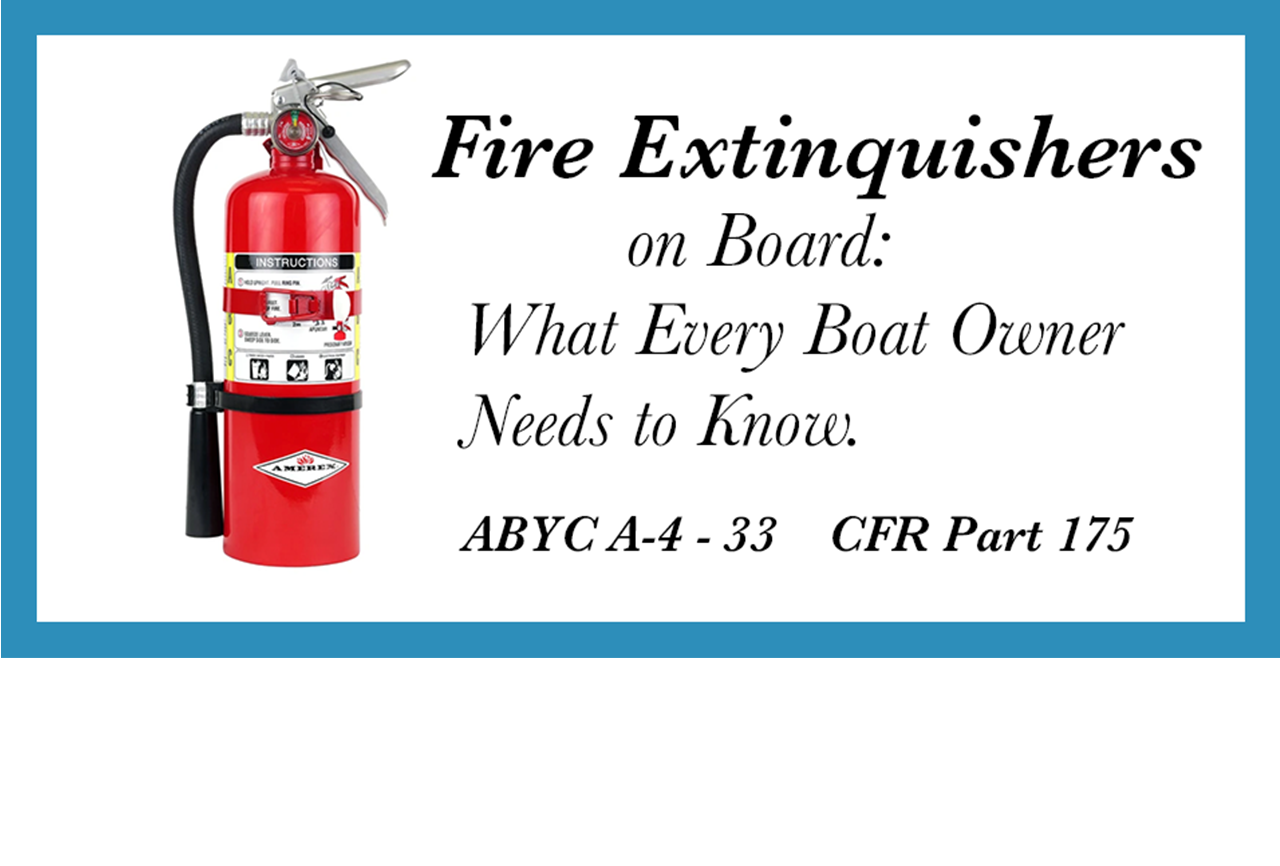
Fire Extinguishers on Board: What Every Boat Owner Needs to Know
Fire at sea is one of the most dangerous emergencies a mariner can face — and yet, fire extinguishers are among the most commonly cited deficiencies found during a marine survey. Whether you own a 17-foot center console or a 75-foot motoryacht, USCG regulations and ABYC standards are specific, recently updated, and widely misunderstood. Here's what you need to have on board, by vessel size — straight from the regulations and from what surveyors actually find in the field.
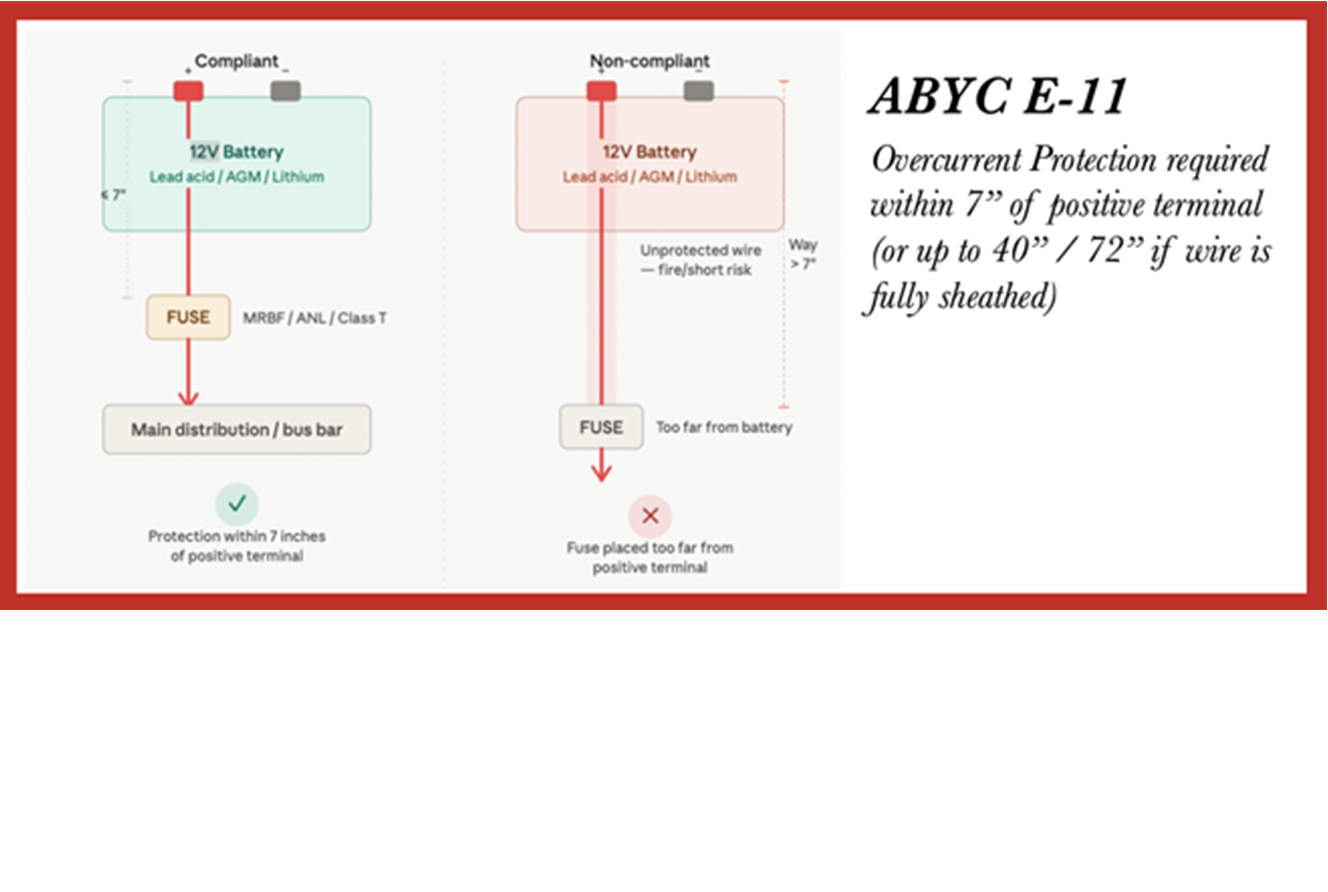
The 7-Inch Rule: The Battery Fuse Finding I See on Almost Every Survey
If there's one electrical deficiency I find consistently during marine surveys — on boats old and new, big and small — it's this: an unprotected positive wire running from the battery terminal without a dedicated fuse or overcurrent protection device (OCP) within seven inches.

Stop Spraying Your Engines: Why Hoses and Chemicals are a Costly Mistake
The Case for High - Pressure Vapor Steam
If you are preparing your vessel for the market, or simply maintaining your investment, the machinery space is the heart of the "Condition & Value" equation. But there is a common, costly mistake happening in boatyards across the Chesapeake: the "Bucket and Hose" method.
What Every Boat Buyer Should Know About ABYC Standards
If you're in the market for a boat, you've probably heard the term "ABYC" mentioned during surveys, in listings, or in conversations with brokers. But what exactly is ABYC, and why should you care whether a boat was built to their standards?
As a marine surveyor, I can tell you that understanding ABYC standards is one of the most important things you can do as a boat buyer. Let me explain why.
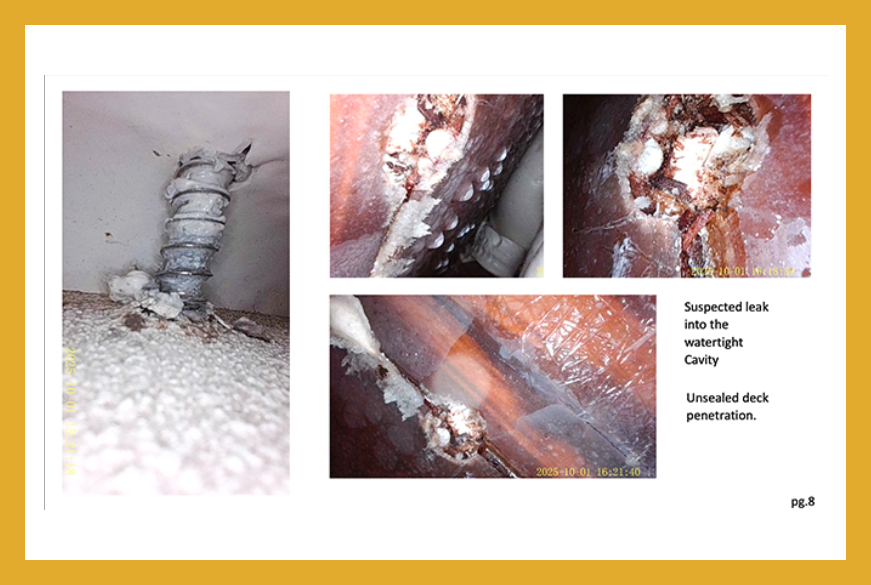
“The Hidden Damage Beneath the Screw: Why Deck Fasteners Deserve More Respect”
Every season, I find it—the innocent little screw that opened the floodgates. A cleat, a rod holder, or a deck fitting installed with good intentions but no understanding of what lies beneath. Most yacht decks aren’t solid fiberglass; they’re sandwiches of fiberglass skins and a lightweight core that gives stiffness without weight. Drive a screw straight into that core and you’ve just created a hidden pathway for water, rot, and structural failure. What looks secure today can quietly destroy a boat from the inside out.
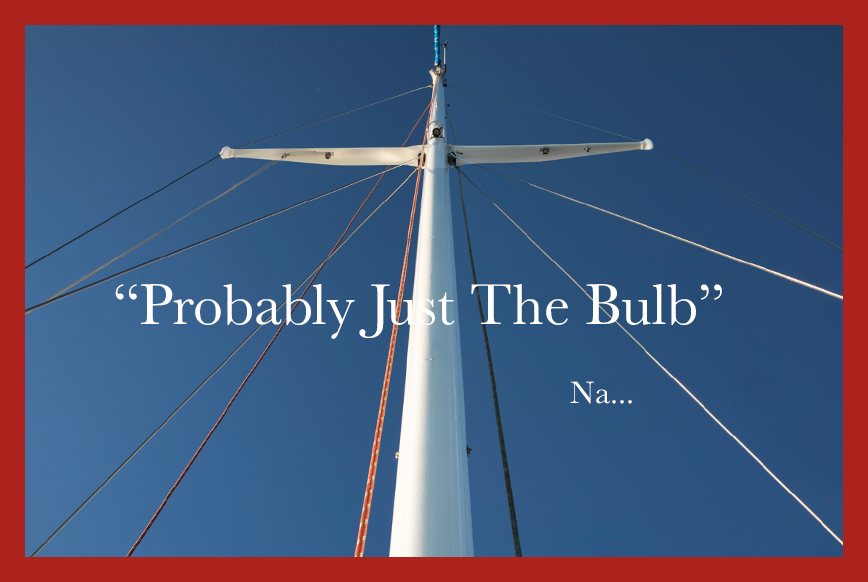
“Probably Just The Bulb”
One of the most common statements I hear during pre-offer conversations is, “I’m sure it’s just a bulb.” A light is out on the masthead, the steaming light doesn’t come on, the spreader lights are dark—and the seller assumes a quick, inexpensive fix. But on a 25–30-year-old sailboat, a non-functioning light aloft is often the first clue of a much deeper issue.
In one recent case, the buyer was told exactly this. After the sale, their rigger went up the mast to “pop in a new bulb” only to discover that the wiring inside the mast was so aged that the copper conductors literally crumbled on contact. The failure wasn’t the bulb—it was the entire wiring run, from masthead to exit, which now required a full replacement. A fix that costs a few dollars quickly became a major job.
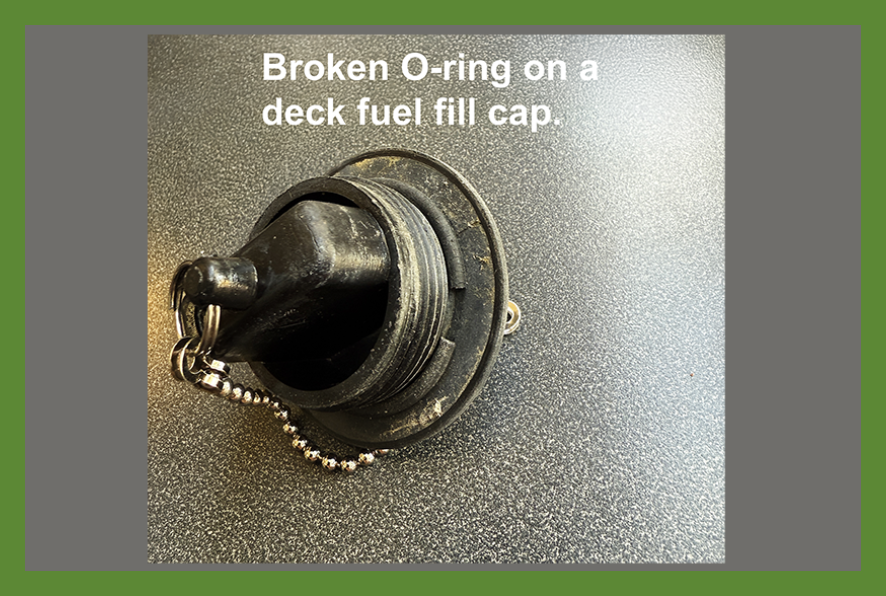
“That Tank Hasn’t Been Used In A While”
Buying a boat is emotional. Brokers know it, owners know it, and buyers feel it the moment they step aboard. As a marine surveyor, I’m there to slow everything down—to peel back the excitement just long enough to make sure the vessel is being represented fairly, honestly, and without missing pieces. What continues to surprise me isn’t always what’s said during a survey… It’s often what isn’t.
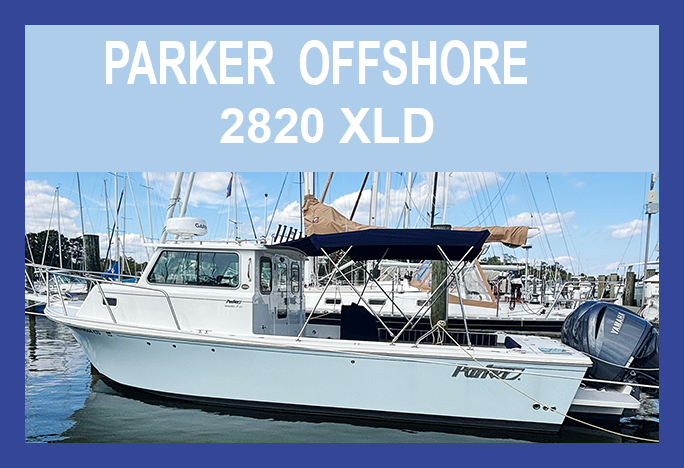
“The Leak They Tried to Ignore”
When the owner of a brand-new Parker boat discovered water collecting inside his hull, he did what any responsible boater would do — he called the dealer. What followed, however, wasn’t reassurance or resolution, but a pattern of avoidance. The dealership claimed to have found and fixed the source, yet weeks later, the problem persisted. Instead of standing behind their product, management deflected, leaving the owner to navigate the issue alone. By the time I was brought in to investigate, what appeared to be a simple warranty concern had become a deeper story of neglect — one that revealed how easily a small leak can expose a much larger failure in accountability.